Why Ceramic Mug Prices Vary So Much: A Cost Breakdown for Buyers
- Share
- Issue Time
- Aug 5,2026
Summary
A transparent breakdown of what drives ceramic mug prices: body material, glaze, decoration, shape and molds, order volume, packaging, and factory economics, so buyers can read quotes correctly and negotiate from knowledge.

Why Ceramic Mug Prices Vary So Much: A Cost Breakdown for Buyers
A buyer can request quotes for the same-looking mug from five factories and receive prices that vary by a factor of three. The natural reaction is to assume the lowest quote is the winner and the highest is a rip-off, but the truth is more useful: the price of a custom ceramic mug is the sum of a series of decisions, and each decision has a cost. Material, shape, decoration, volume, packaging, and factory economics all move the price, and a buyer who understands the breakdown reads quotes correctly, negotiates from knowledge, and avoids the two most expensive mistakes in the industry, paying for quality they do not need and buying cheap products they cannot sell. This guide breaks the mug price into its components so you can see exactly where the money goes.
The Body Is the Foundation of the Price
The ceramic body is the largest single cost driver, and it is also the easiest to hide. Stoneware, porcelain, and bone china sit at different material costs, with bone china at the premium end, and the body formula, the firing temperature, and the kiln time all add cost. A factory that quotes an unusually low price is often quoting a lighter, thinner, or lower-fired body, which saves material and energy at the cost of durability and feel. When you compare quotes, compare the body specification first, not the price, because a mug that is one hundred grams lighter is a different product.
The body also affects the factory's yield, the percentage of mugs that survive firing without defects. Higher-quality bodies and tighter processes produce higher yields, which lowers the cost per good mug, but the investment in the process is reflected in the quote. A low quote can mean a process that accepts more defects and passes more of them to you in the form of inspection failures and breakage.
The Glaze and the Finish
The glaze is the second cost component, and its price moves with the formulation, the color, and the finish. Standard white glossy glaze is the cheapest, because it is produced in volume with proven chemistry. Colored glazes, especially saturated and unusual colors, cost more because the pigments are expensive and the formulation is less forgiving. Matte glazes, reactive glazes, and speckled finishes add cost in both material and yield, because reactive glazes produce variation and rejects that must be managed. The interior finish is a separate line: a plain white interior is standard, while a contrasting interior color, a metallic rim, or a special interior finish adds both material and labor.
The glaze is also where hidden costs live. A quote that does not specify the glaze leaves room for the factory to use the cheapest formulation, which may craze, stain, or fail food-safety tests. Always confirm the glaze specification in writing, and treat a price that is dramatically below the market as a signal that the glaze has been unspecified or downgraded.
Decoration: The Cost of Your Artwork
The decoration is the most visible cost component, and it behaves differently from the body and glaze because it has a setup component and a per-piece component. Silk-screen printing charges for each screen, one per color, and then a per-piece printing cost; a one-color logo is cheap at volume, while a four-color design multiplies the screen cost and the printing time. Ceramic decals carry a digital setup cost and a per-piece transfer cost, and they become economical when the design is complex or the volume is moderate. Sublimation requires a coated white body and a per-piece transfer process, with its own cost structure.
The interaction between volume and decoration is where most pricing confusion comes from. A factory quote for a one-color silk-screen logo at ten thousand pieces is very different from the same logo at five hundred pieces, because the screens are amortized over the run. When you ask for quotes, always ask for the price at multiple order quantities, and compare the per-piece trajectory, because the factory that is cheapest at five hundred may be the most expensive at fifty thousand, and vice versa.
Shape, Molds, and Tooling
A standard mug shape uses molds the factory already owns, and the shape cost is built into the per-piece price. A custom shape means new molds, which are charged as tooling, typically a one-time cost that depends on the complexity of the shape and the number of mold cavities. Tooling is where custom shapes get expensive: a simple custom mug shape might need a modest mold investment, while an intricate shape with multiple parts, a complex handle, or deep relief decoration can require substantial tooling. The tooling cost is separate from the unit price, and it should be quoted explicitly so you can decide whether the custom shape is worth the investment.
Two practical points on tooling. First, the mold cost is amortized by volume: at a small quantity, the tooling dominates the landed cost, while at a large quantity it becomes a rounding error, so custom shapes are a volume play. Second, the factory owns the molds, and the mold ownership and storage terms should be agreed in the contract, because a mold you paid for should be available for your reorders without a second tooling charge.
Volume, Setup, and Factory Economics
The order volume is the master lever on unit price, because so many costs are either fixed or semi-fixed: screens, molds, kiln loading, production line setup, packaging runs. A larger order spreads these costs over more pieces, lowering the unit price, and the volume pricing curve is the most important number in any quote comparison. The volume effect is strongest at the low end, where doubling from five hundred to a thousand pieces can cut the unit price noticeably, and weaker at the high end, where the curve flattens.
Factory economics also explain price differences that look like ripoffs. A factory with a full order book can afford to quote high, a factory with empty capacity may quote low to fill the kiln, and both are rational. A factory's cost structure, its labor rates, its automation level, and its location all move the price. When you compare quotes, weight the factory's reliability, its sampling discipline, and its quality record alongside the price, because the lowest quote from a factory that fails inspection is more expensive than a fair quote from a factory that delivers.
Packaging, Inspection, and Hidden Line Items
The price you see on a quote is rarely the price you pay. Packaging is a real line item, and the difference between minimal packaging and professional export packaging, sleeves, separators, box-in-box cushioning, and palletized loading, is meaningful, especially for fragile ceramics. Inspection is another line: a third-party pre-shipment inspection costs money, and it is usually cheaper than the damage it prevents. Other items that may or may not be included are the sample cost, the shipping, the customs documentation, and the cost of correcting defects.
The professional habit is to request a fully itemized quote: unit price by material, glaze, decoration, packaging, and tooling, with the sample cost and the inspection cost stated separately. An itemized quote lets you see where the money goes, compare apples to apples across factories, and negotiate specific line items instead of haggling over a total. A factory that refuses to itemize is a factory that is hiding something in the total.
Negotiating From Knowledge
The cost breakdown is a negotiation tool, not just an explanation. When a quote looks high, ask which component drives it: the body, the glaze, the decoration, or the volume. When a quote looks low, ask the same question in reverse, and verify the body weight, the glaze specification, and the yield. Negotiate the line items you can move, the volume, the packaging, the sample costs, and the tooling terms, rather than demanding a flat discount, because a flat discount on a hidden cost structure just moves the hiding. And when the numbers are close, decide on quality and reliability, because the difference between two similar quotes is often the difference between a shipment that works and a shipment that fails.
Conclusion: Read the Quote, Not Just the Number
A ceramic mug price is the sum of the body, the glaze, the decoration, the shape and tooling, the volume, the packaging, and the factory's economics, and every component can be seen and negotiated when you know what to look for. Compare specifications before prices, request itemized quotes, ask for multiple volume points, and weigh reliability against the number. A buyer who reads quotes this way stops paying for hidden quality and starts paying for exactly the product they need, at a price they can defend to their own customers.
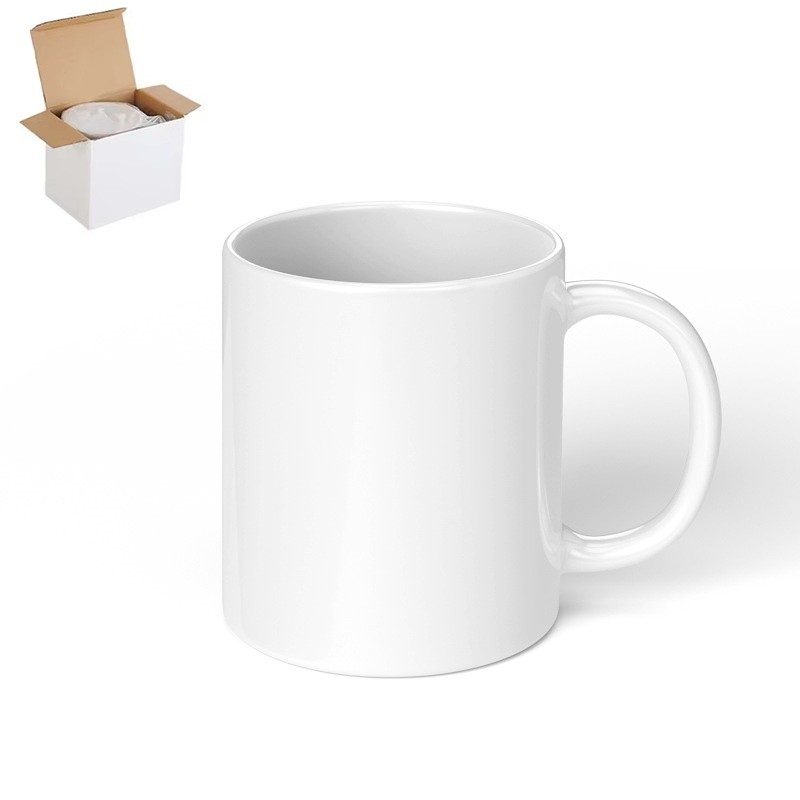
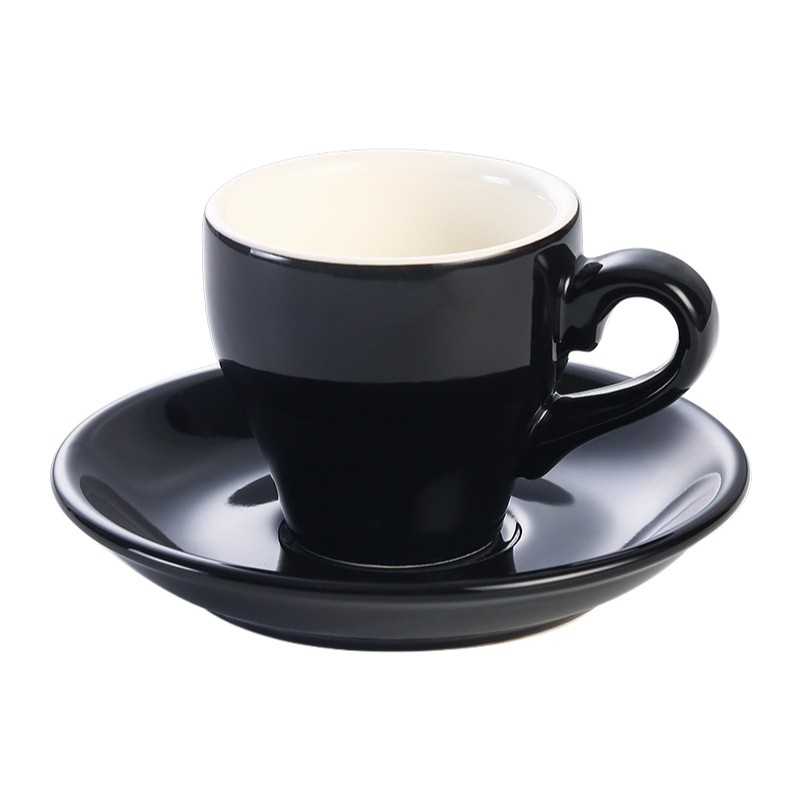
Looking for transparent pricing on custom mugs? Storiware provides itemized quotes covering body, glaze, decoration, tooling, packaging, and sampling, with price points at multiple order quantities, so you can see exactly what you are paying for. The featured mugs below are a great starting point, and our team will walk you through the breakdown for your program.
Featured Ceramic Mugs from Storiware
Explore products featured in this guide:
Need a custom quote? Send an inquiry or browse our full product catalog.