Stoneware vs Porcelain vs Bone China: Which Mug Material Is Right for You?
- Share
- Issue Time
- Aug 4,2026
Summary
A practical comparison of stoneware, porcelain, and bone china for custom mugs: weight, heat retention, durability, whiteness, printing compatibility, cost, and which material fits each brand, use case, and budget.

Stoneware vs Porcelain vs Bone China: Which Mug Material Is Right for You?
Behind every mug is a ceramic body, and the body decides almost everything about how the mug feels, how it performs, and how much it costs. Stoneware, porcelain, and bone china are the three materials that dominate the custom mug market, and they are often treated as interchangeable by buyers who are really making a decision about weight, heat retention, whiteness, durability, and price all at once. This guide compares the three materials across the properties that matter most to B2B buyers, so you can choose the right body for your brand, your market, and your budget, and brief the factory with confidence.
What the Body Actually Controls
The ceramic body is the material that forms the mug before glaze and decoration, and it controls five properties that every buyer experiences: weight, how the mug feels in the hand and how much it costs to ship; heat retention, how long the coffee stays hot; whiteness, how bright printed colors look against the surface; durability, how the mug survives impacts, thermal shock, and daily use; and price, because the three bodies sit at very different cost points. The body also interacts with printing, because different bodies accept different decoration methods and show colors differently.
Understanding the body means understanding the trade-offs. There is no objectively best material; there is only the material that matches the use case. A specialty coffee roaster that wants excellent heat retention and a rustic feel will choose differently from a corporate gift program that wants a light, bright, premium mug, and both are making the correct choice for their own product.
Stoneware: Heavy, Warm, and Durable
Stoneware is the workhorse of the mug industry. It is a dense, vitrified clay fired at high temperature, which gives it strength, low porosity, and a substantial feel. Stoneware mugs are noticeably heavier than porcelain or bone china, which reads as quality to many buyers, and the thick walls retain heat exceptionally well, which is why serious coffee programs and food service operators favor it. The color of stoneware is typically warm and earthy, ranging from ivory and tan to deep browns and greys, and the glaze often has a natural, handmade character.
The trade-offs of stoneware are weight and whiteness. Shipping a container of stoneware mugs costs more because the product is heavier, and the warm body color means pure-white printing effects are harder to achieve; sublimation, which requires a bright white surface, works best on porcelain or a special white stoneware body. For brands that want a premium, substantial, artisan feel, and for operators that want coffee to stay hot, stoneware is the natural choice.
Porcelain: The Balanced Professional Standard
Porcelain is the most common professional mug body, and for good reason: it balances weight, strength, whiteness, and price in the middle of the spectrum. Porcelain is fired at very high temperature to a dense, smooth, vitrified body that is strong and non-porous, with a bright white surface that makes printed colors vivid and is the standard base for sublimation and bright decal work. The weight is moderate, lighter than stoneware but heavier than bone china, and the price sits between the two.
Porcelain mugs are the default for coffee shops, offices, hotels, and corporate gifts because they look clean and professional, print well, and survive commercial handling at a reasonable cost. The main limitations are that porcelain does not retain heat as well as thick stoneware, and the bright white surface shows chips and scratches more readily than a textured stoneware finish. For most buyers, porcelain is the safe, versatile default, and it is usually the right answer when you are not sure which material to choose.
Bone China: Light, White, and Premium
Bone china is the premium end of the mug spectrum, distinguished by the addition of bone ash to the clay formula, which produces an exceptionally white, translucent, and lightweight body. A bone china mug feels light and refined in the hand, has a luminous whiteness that no other material matches, and rings with a distinctive clear tone when tapped. It is the material of fine dining, luxury hotels, and premium gift programs, where the lighter weight and brighter surface justify the higher price.
The trade-offs of bone china are fragility and cost. The thin, delicate walls that give it its elegance make it more vulnerable to chipping and breakage in commercial dishwashing and rough handling, and it is the most expensive of the three bodies. Bone china is the right choice when the presentation and the perceived value matter more than durability and unit price, and it should be paired with careful handling in service.
The Materials at a Glance
| Property | Stoneware | Porcelain | Bone china |
|---|---|---|---|
| Weight | Heaviest | Moderate | Lightest |
| Heat retention | Excellent | Good | Moderate |
| Whiteness | Warm / earthy | Bright white | Purest white |
| Durability | Very good | Good | Delicate |
| Printed color | Warmer | Vivid | Most vivid |
| Price per piece | Mid | Mid | Highest |
| Best for | Specialty coffee, food service, rustic brand | Cafes, offices, hotels, gifts | Fine dining, luxury, premium gifts |
Matching the Material to Your Use Case
The material decision follows the use case, and the practical rules are simple. Choose stoneware when heat retention, durability, and a substantial artisan feel matter more than shipping weight and pure white printing, which fits specialty coffee roasters, ramen and soup programs, and rustic brand identities. Choose porcelain when you need a balanced professional mug that prints well, survives commercial handling, and stays affordable, which fits most coffee shops, offices, hotels, and corporate gifts. Choose bone china when the mug is part of a premium presentation, such as fine dining, luxury hospitality, or high-value gift programs, and when the operation handles the product carefully.
Two additional factors can tip the decision. If your decoration method is sublimation, the body must be white and coated, which favors porcelain or a white stoneware body; warm stoneware cannot produce bright sublimation results. If your shipping cost is a large share of landed cost, the lighter porcelain and bone china bodies save meaningful money across a full container, which can offset the higher per-piece price of bone china for premium programs.
How the Body Affects Customization
The body also constrains and enables your customization. Printing compatibility differs: silk-screen and decal printing work on all three bodies, while sublimation requires a white, coated surface, which narrows the material choice. The printable color range differs: bright, saturated colors pop on white porcelain and bone china, while stoneware's warm body warms the tones of the decoration. The glaze options differ too, with stoneware supporting a wider range of matte, reactive, and speckled finishes, and bone china traditionally paired with glossy, translucent glazes and metallic rim accents.
When you brief the factory, specify the body in the RFQ together with the decoration method, because the two decisions are linked. Ask the supplier which bodies they recommend for your decoration method and your target market, request samples in the candidate bodies before you commit, and evaluate the samples by holding them, testing the heat retention, and checking how the printed color looks against each surface. A sample is the only reliable way to compare the three materials, because catalogs and photos flatten exactly the weight and feel that matter most.
Conclusion: Choose the Body That Carries Your Brand
Stoneware, porcelain, and bone china are three answers to the same question, and each is right for a different brand. Stoneware brings weight, warmth, and durability, porcelain brings balance, whiteness, and value, and bone china brings lightness, luminosity, and premium presence. Choose the body that matches your use case and your decoration method, verify it with physical samples, and specify it clearly in the RFQ. A mug body chosen deliberately is not a material detail; it is the foundation of how the mug feels in the hand, how the coffee tastes, and how the brand is perceived, at every morning for years.
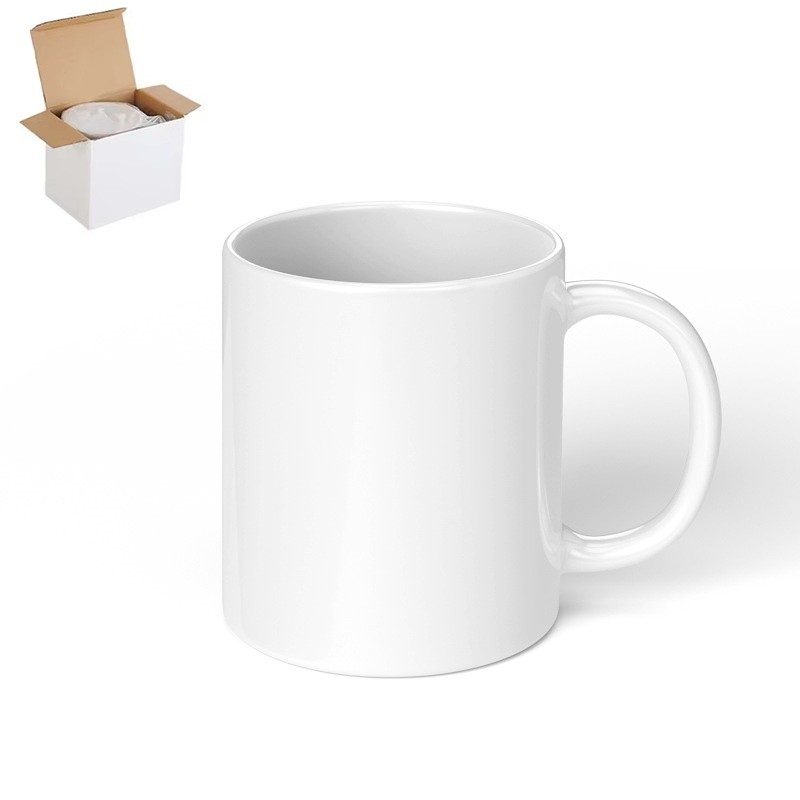
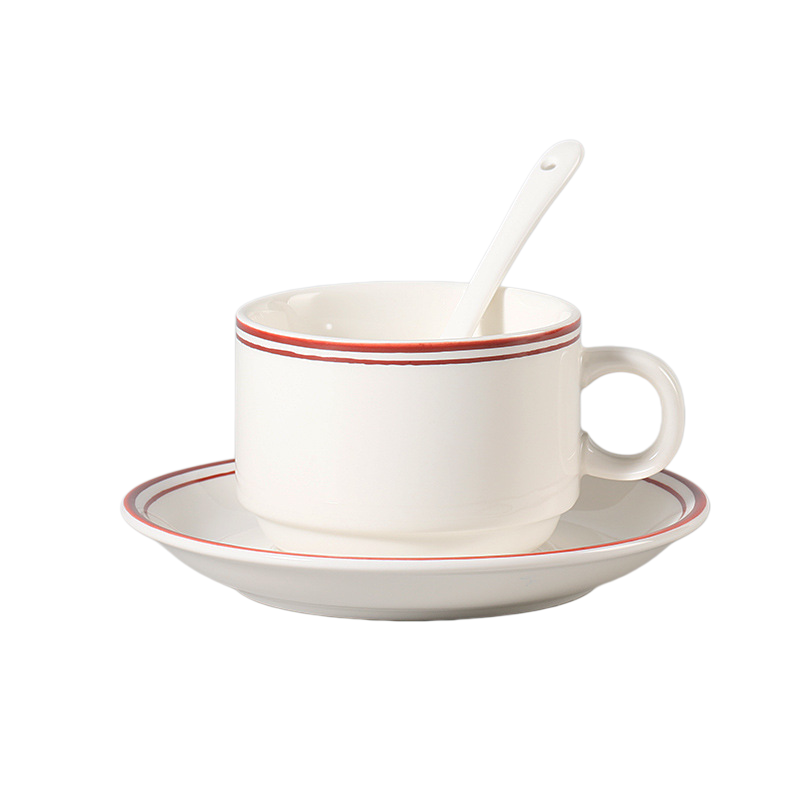
Looking for the right mug body for your program? Storiware customizes stoneware, porcelain, and bone china mugs, with material guidance, physical sampling, and decoration matched to each body. The featured mugs below show the range, and our team will help you choose the material that fits your brand and budget.
Featured Ceramic Mugs from Storiware
Explore products featured in this guide:
Need a custom quote? Send an inquiry or browse our full product catalog.