Mug Glazes Explained: Matte, Reactive, and Interior Finishes
- Share
- Issue Time
- Aug 4,2026
Summary
A plain-language guide to ceramic mug glazes: what glaze does, glossy versus matte finishes, reactive and speckled effects, interior glaze choices, how glaze interacts with printing, and food-safety considerations for buyers.

Mug Glazes Explained: Matte, Reactive, and Interior Finishes
The glaze is the final surface of a mug, and it controls more of the product than most buyers realize. It determines the color and texture the customer sees and touches, how easily the mug cleans, how the decoration sits on the surface, how the mug behaves in the microwave and dishwasher, and whether the mug is safe for food contact. Yet the glaze is usually the least specified part of a mug order, buried in a sentence like "white glaze" while the buyer spends hours on the logo. This guide explains what glaze actually does, walks through the main finish families, glossy, matte, and reactive, and covers the interior glaze decisions and the safety and printing considerations that every buyer should understand before briefing a factory.
What Glaze Does
Glaze is a thin glassy coating fused to the ceramic body at high temperature, and it does three jobs at once. It seals the porous clay body so the mug can hold liquid and be cleaned safely. It provides the surface finish, the color, the texture, and the light behavior that define how the mug looks and feels. And it forms the food-contact surface, which makes glaze chemistry a safety matter, not just an aesthetic one.
The glaze and the body are fired together, and their compatibility matters: a glaze must match the body's thermal expansion or it will craze, crack, or flake off in use. This is why the same glaze can behave perfectly on one body and fail on another, and why the factory's recommendation for the glaze-body combination deserves more weight than a catalog photo. When you specify a glaze, you are specifying a material system, and the system should be tested and proven by the factory before you commit.
Glossy Glaze: The Professional Default
Glossy glaze is the industry standard for mugs, and it dominates the market for good reasons. It is smooth and easy to clean, resists staining from coffee and tea, and provides a bright, reflective surface that makes printed colors look vivid and saturated. A glossy glaze also photographs well, which matters for a product that appears in menus, social media, and marketing. Most white, colored, and printed mugs you have ever seen use a glossy glaze, and it is the safe, versatile default for almost every program.
The limitations of glossy glaze are practical rather than fatal. It shows fingerprints and water marks more readily than a matte finish, and it can feel generic in a market where matte and reactive finishes signal a more artisanal brand. For most coffee shops, offices, hotels, and gift programs, glossy remains the right choice, especially when the decoration is bright and colorful, because the gloss makes the print pop.
Matte Glaze: Soft Touch and Modern Aesthetic
Matte glaze has a soft, non-reflective surface that has become the signature finish of modern specialty coffee and artisan brands. It feels smooth but not slippery, reads as understated and contemporary, and hides fingerprints and water marks far better than gloss. Matte mugs photograph with a distinctive, editorial quality, which is why they dominate the look of specialty roasters and design-forward cafes.
The trade-offs of matte glaze are real. Matte surfaces are more susceptible to abrasion and scratching from metal cutlery and stacked storage, they can develop a subtle worn look over time, and they show tea and coffee stains more stubbornly than gloss, so they demand more careful washing. Matte glaze also tends to be slightly less glossy-smooth for printing, though the difference is subtle for silk-screen and decal decoration. Choose matte when the aesthetic is the point, and confirm the durability behavior with a physical sample before committing a large order.
Reactive and Speckled Glazes: The Artisan Effect
Reactive glazes are formulated so that the glaze reacts during firing, producing mottled, variegated, or crystalline surfaces where no two mugs look exactly alike. Speckled glazes contain particles that create a subtle or bold flecking across the surface, and crystalline glazes produce visible crystal growth. These finishes create the artisanal, one-of-a-kind look that commands premium pricing in boutique and specialty markets.
The defining characteristic of reactive glazes is variation, and that is both the appeal and the risk. For a brand that celebrates handmade character, the variation is the product. For a brand that needs uniform mugs across a large order, such as a hotel chain or a franchise, reactive glaze is a poor fit, because the batch-to-batch and piece-to-piece variation cannot be controlled to a tight tolerance. If you choose a reactive finish, communicate to your customers that variation is intentional, and keep an approved sample as the reference for the acceptable range rather than expecting identical pieces.
The Interior Glaze: What the Customer Sees When the Drink Is Gone
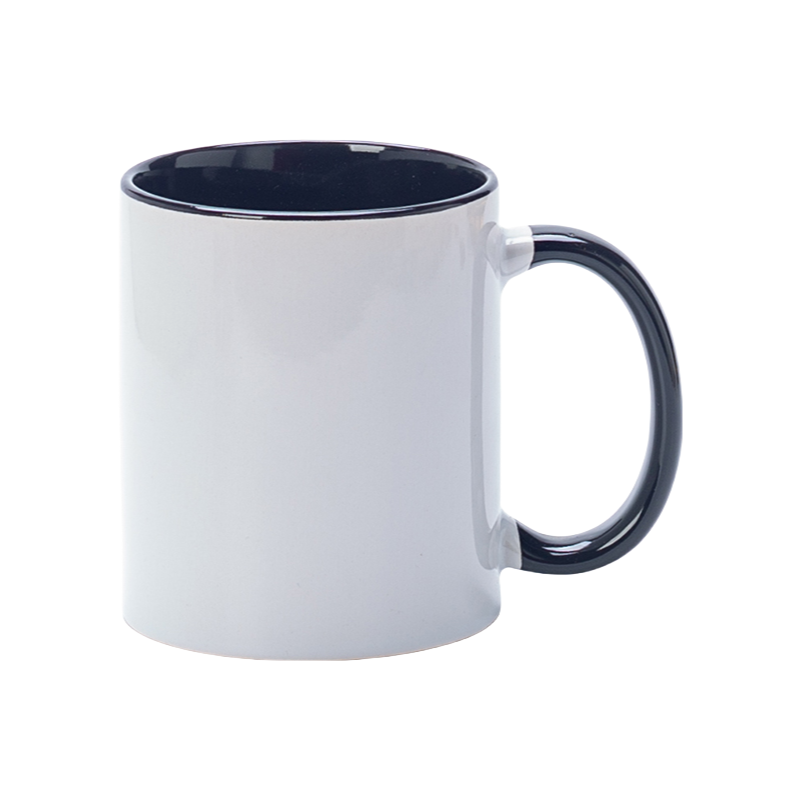
The interior of the mug deserves its own decision, because the customer looks inside the mug every time they finish a drink. The default is a glaze that matches or complements the exterior, often a clean white or cream interior on a colored mug, which keeps the drink visible and the inside bright. A contrasting interior, such as a colored or reactive interior on a white mug, creates a distinctive finish moment that customers notice and photograph, and it is a favorite trick of specialty brands.
The interior glaze affects the drink's presentation. A white or light interior shows the true color of the coffee or tea and is essential for latte art, because dark interiors hide the pattern. A colored interior changes how the drink reads, which can be intentional for a signature drink or a mistake for a program that wants the coffee itself to be the star. The interior must also be smooth and properly glazed for hygiene, and it must meet the same food-safety standards as the exterior, because the interior is the primary food-contact surface.
Glaze and Printing: How the Surface Carries the Decoration
The glaze is the canvas for your decoration, and the finish choice affects the print. Glossy white glaze is the ideal base for bright, saturated colors and for sublimation, which requires a coated white surface. Matte glaze carries printed decoration well but slightly softens the tones, and it is a popular base for understated logos. Reactive and speckled glazes are the most challenging canvas, because the background variation competes with the print; a busy reactive surface suits a simple, bold logo, while a fine speckle works with smaller prints.
The printable area and the glaze interaction should be tested on a physical sample before production. A logo that looks perfect on a glossy white sample may look lost on a dark reactive body, and the color of the glaze, not just the finish, shifts how the brand colors print. Send your artwork, specify the glaze, and approve the combination on a real fired sample, because no digital preview reproduces the interaction of glaze, color, and print.
Food Safety and the Glaze
The glaze is the food-contact surface, and its chemistry determines whether the mug is safe. Lead and cadmium can be present in certain glaze pigments and decorative colors, and they can migrate into food or drink if the glaze is not formulated and fired correctly. Every glaze used on a food-contact mug must meet the migration limits of your target market, and the certification must be product-specific, covering the exact glaze and decoration of the exact mug.
Two practical points follow. First, bright decorative colors, metallic accents, and artisanal reactive glazes are the finishes most likely to raise lead or cadmium questions, so they deserve specific testing, not assumptions. Second, the factory's glaze recipes and firing discipline are what make compliance consistent: a factory that controls its glaze formulation and firing schedule produces compliant mugs batch after batch, while one that experiments with colors on every order is a compliance risk. Always request the product-specific test documentation, and consider independent testing on your first order.
Choosing the Glaze for Your Program
The glaze decision should follow the brand and the use case. Choose glossy white for bright prints, clean presentation, and maximum durability in commercial washing, which fits most coffee shops, offices, hotels, and gift programs. Choose matte for a modern, soft-touch aesthetic that hides fingerprints, which fits specialty roasters and design-forward brands. Choose reactive or speckled finishes when the artisanal character is the brand and the market accepts piece-to-piece variation. Specify the interior separately, and decide whether it protects the drink presentation or creates a brand moment.
When you brief the factory, name the finish, the color, the interior, and the food-safety requirement, and ask for samples in the candidate glazes before committing. Hold the samples, wash them, and print a test logo on each, because the glaze reveals its true character only in the hand and in the wash. A glaze chosen deliberately is the difference between a mug that looks like the catalog and a mug that feels like the brand.
Conclusion: The Glaze Is the Surface of Your Brand
The glaze is not a one-line specification; it is the surface of the product, carrying the color, the texture, the print, the cleaning behavior, and the safety of every mug. Glossy glaze brings clarity and durability, matte glaze brings softness and modernity, and reactive and speckled finishes bring artisan character, while the interior glaze shapes the finish moment of every drink. Match the glaze to the brand and the use case, test it with samples and prints, and verify its food safety with product-specific documentation. Do that, and the glaze stops being a detail and becomes a deliberate part of how your mug feels, looks, and lasts.
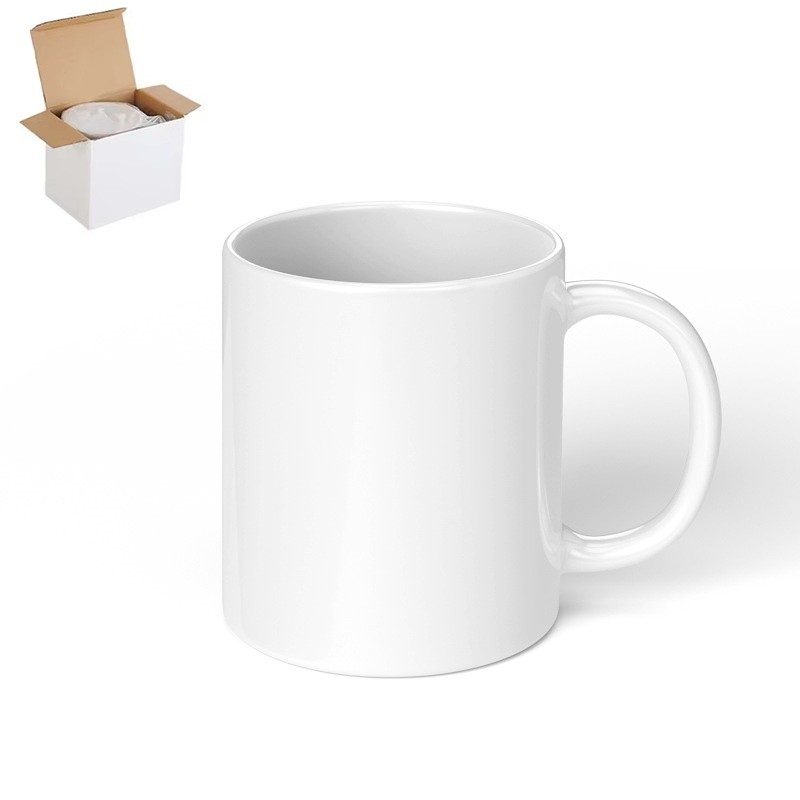
Looking for mugs with the right finish for your brand? Storiware offers glossy, matte, and reactive glaze options on custom ceramic mugs, with interior finish choices, decoration matched to the surface, and food-contact documentation for your review. The featured mugs below show the range, and our team will help you choose the glaze that fits your brand.
Featured Ceramic Mugs from Storiware
Explore products featured in this guide:
Need a custom quote? Send an inquiry or browse our full product catalog.