Hotel & Restaurant Mug Specifications: Durability, Stacking, and Service
- Share
- Issue Time
- Aug 5,2026
Summary
A specification guide for hotel and restaurant mugs: reinforced bodies, thermal shock resistance, stackability, dishwasher durability, sizes for service, and the commercial-grade choices that survive hospitality.

Hotel & Restaurant Mug Specifications: Durability, Stacking, and Service
Hospitality mugs live a life that retail mugs never see. A hotel mug is handled by guests and staff, washed in commercial dishwashers dozens of times a week, stacked and unstacked constantly, and knocked against tables, counters, and other cups. A restaurant mug is carried by servers, stacked on the machine, and cycled through the pass at speed. The specifications that protect these mugs, the reinforced body, the thermal shock resistance, the stackability, and the dishwasher durability, are exactly the specifications that retail buyers never think about, and they are the difference between a mug that lasts years and a mug that chips within a month. This guide lays out the commercial-grade specifications for hotel and restaurant mugs, and how to choose them for your operation.
The Reinforced Body: Built for the Dishwasher
The foundation of a hospitality mug is the body, and the professional standard is a reinforced or hotel-grade body engineered for commercial use. Reinforced porcelain, sometimes called hotel porcelain, is fired with an alumina-enhanced formula that gives it exceptional impact resistance and thermal shock resistance, the two properties that commercial washing and handling punish most. A hotel-grade mug survives the daily cycle of hot dishwasher, cold rinse, and hot coffee, while a retail-grade mug of the same appearance will craze, crack, or chip under the same treatment.
The body specification should be explicit when you order: name the reinforced or hotel-grade body, the firing standard, and the durability test results, and confirm the thermal shock rating with the factory. A mug that passes a commercial dishwasher standard and a defined thermal shock test is a mug you can standardize on; a mug that has no test data is a mug you are trusting to luck in the busiest environment in the building.
Thermal Shock Resistance: The Hidden Spec
Thermal shock is the stress a mug experiences when its temperature changes quickly, and it is the silent killer of hospitality mugs. A mug pulled from the hot dishwasher, filled with boiling water for tea, or moved from a hot holding area to a cold counter undergoes rapid temperature change, and if the body and glaze cannot absorb the stress, the result is crazing, hairline cracks, or catastrophic failure. The glaze-body combination determines the thermal shock performance, which is why the spec must cover both, not just the body.
Ask the factory for the thermal shock test data for the exact mug you are ordering, and understand what the test means: a mug that survives a defined cycle of hot and cold without crazing or cracking has passed, and the pass level tells you how aggressive the service can be. For high-turnover operations, the thermal shock rating is as important as the price, because a mug that fails thermally is a mug that fails in service, in front of guests.
Stackability: Space and Speed
Stacking is not a convenience in hospitality; it is a system. Mugs are stacked on the espresso machine, on the service counters, and in the storage racks, and the stackability of the mug determines how much space the service area needs and how fast the staff can work. A stackable mug has a stable base, a nesting profile that locks the stack, and a handle that does not interfere with the mug above it. A mug that rocks, catches, or jams in the stack slows service and increases the damage from careless stacking.
Specify the stacking behavior with the factory and confirm it with a physical sample: stack a set of mugs and check that they nest evenly, that the stack is stable, and that the mugs separate easily without jamming or scratching. For operations that store mugs in tight spaces, the stacking dimensions, the stack height per dozen, and the nesting efficiency are practical specifications, and a mug that stacks well is a mug that saves space and time every single service.
Size and Capacity for the Service Menu
The size and capacity of hospitality mugs should follow the service menu, exactly as they do in a coffee shop, but with the hotel context added. A hotel breakfast mug serves tea and coffee to guests in a room or a breakfast room, typically in the 250 to 350 ml range, with a stable base and a comfortable handle. A restaurant service mug is sized to the beverage menu, from espresso cups to large filter coffee mugs, and the sizes should be specified against the recipes. For both, the usable capacity and the consistency across the batch matter, because guests notice a mug that holds visibly less than its neighbor.
Two hospitality-specific size considerations are worth adding. First, the mug must fit the dishwasher rack and the storage rack of the operation, so the base diameter and the height should be checked against the actual equipment, not just against the menu. Second, the mug should be sized for the guest's hand and the table surface: a mug that is too large for the saucer or too heavy when full creates a small but daily friction in service. Match the mug to the service environment, and the environment takes care of the rest.
Dishwasher Durability and the Decoration
The decoration on a hospitality mug faces the same daily punishment as the body, and it must be specified for the dishwasher, not for the showroom. A silk-screen or in-glaze decoration that is fired into the surface survives commercial washing far better than an over-glaze print, and the durability should be confirmed with the factory and, ideally, tested in the operation's own dishwasher. The glaze must resist staining from tea and coffee, scratching from stacked storage, and the chemical attack of commercial detergents, and the interior glaze deserves the same specification, because the interior is the surface guests see and the surface the dishwasher cleans.
The decoration placement also matters in hospitality. The logo should sit where it is seen but not worn, typically the front face or a small mark near the base, and it should be printed to survive years of washing rather than a season. For a hotel chain or a restaurant group, the decoration is the brand on every table, and the specification should treat the print durability as a brand requirement, with a written dishwasher-durability commitment from the factory.
Commercial Grades and Certifications
The commercial grade of a mug is defined by the standards it meets, and the specifications should reference the standards by name. The reinforced or hotel-grade body standard, the thermal shock test, the dishwasher durability test, and the food-contact safety standards for the target market, all belong in the specification, because a named standard turns a vague quality claim into a verifiable requirement. The factory's test reports and certificates should cover the specific mug, the specific body, the specific glaze, and the specific decoration, and the documents should be product-specific rather than generic.
The certification also protects the operation commercially. A hotel or restaurant serving from mugs that meet the food-contact standards of its market, with documented test results, has a defensible position with regulators, insurers, and guests. A mug without documentation is a risk that does not show on the invoice but can surface in an inspection or a complaint. For hospitality, the documentation is not paperwork; it is part of the service standard.
Choosing the Right Mug for Your Operation
The right hospitality mug balances the operation's intensity against its budget and its brand. A high-turnover hotel breakfast operation needs a reinforced body, a high thermal shock rating, and maximum stackability, and should pay for the hotel-grade body. A fine-dining restaurant serving from bone china can trade durability for elegance, because the handling is careful and the volume is lower. A casual restaurant chain sits in the middle, needing commercial durability at a practical price. Define the operation's intensity first, then choose the body, the thermal rating, the stackability, and the decoration to match, and verify the whole package with a physical sample before committing.
The sample is non-negotiable for hospitality, because the specifications only come alive in service. Hold the mug, stack it, pour boiling water into it, and run it through a dishwasher cycle if you can. The mug that survives your own test, in your own environment, is the mug that will survive your guests, and that is the mug worth standardizing on.
Conclusion: Specify the Service, Not Just the Mug
Hotel and restaurant mugs are commercial equipment, and they deserve commercial specifications. Choose a reinforced body rated for the dishwasher, confirm the thermal shock resistance, specify the stackability and the size against the operation's equipment and menu, print the decoration to survive the wash, and document the commercial grade and the certifications. A mug specified this way survives the busiest service, washes clean for years, and carries the brand on every table. And a buyer who specifies the service instead of just the mug turns the most used object in hospitality into a quiet, reliable part of the operation.
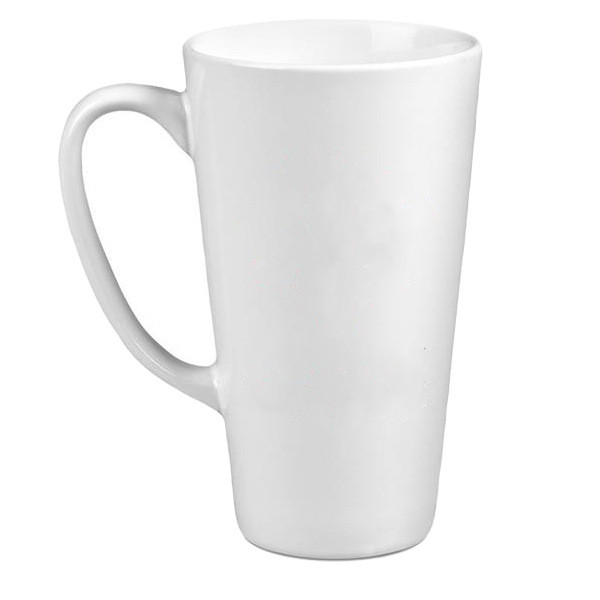
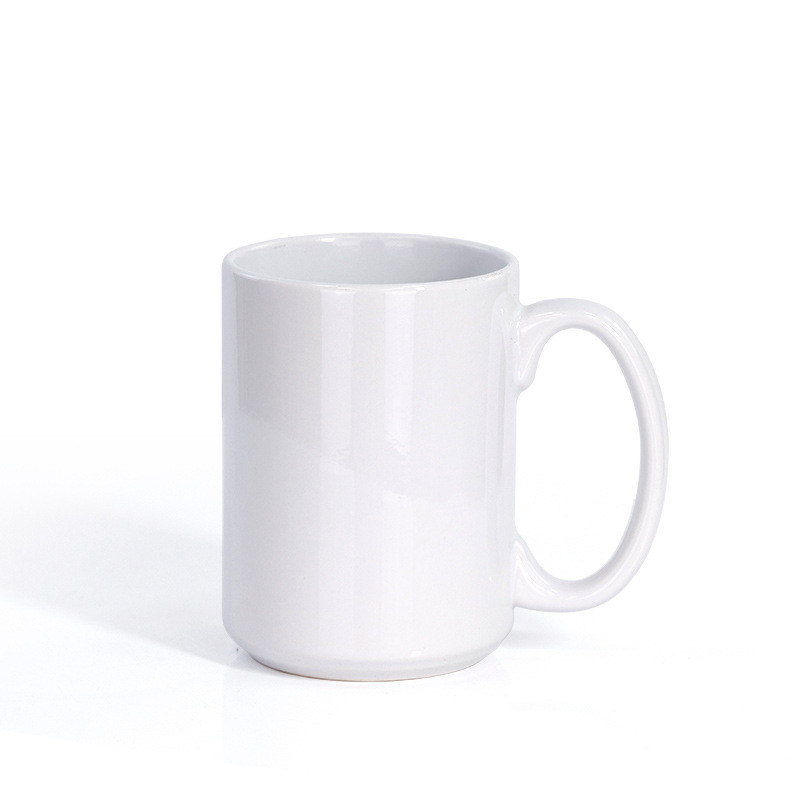
Looking for mugs built for hospitality? Storiware supplies reinforced and hotel-grade ceramic mugs for hotels, restaurants, and catering operations, with thermal shock and dishwasher durability specifications, stackable designs, and product-specific documentation. The featured mugs below are a great starting point, and our team will help you specify the right mug for your service.
Featured Commercial Mugs from Storiware
Explore products featured in this guide:
Need a custom quote? Send an inquiry or browse our full product catalog.