Ceramic Mug Packaging & Shipping: How to Cut Breakage in Transit
- Share
- Issue Time
- Aug 5,2026
Summary
A practical guide to packaging and shipping ceramic mugs safely: why breakage happens, carton and void-fill design, box-in-box protection, container loading, moisture control, labeling, and how to measure and reduce your breakage rate.

Ceramic Mug Packaging & Shipping: How to Cut Breakage in Transit
Every ceramic mug that breaks in transit was once a paid invoice, and breakage is one of the least visible costs in the mug business. A container that arrives with a three percent breakage rate has quietly erased a meaningful slice of the margin, and a container that arrives with ten percent breakage can turn a profitable order into a loss, before the buyer has sold a single mug. The good news is that breakage is not random; it is the predictable result of packaging decisions, and it can be measured, managed, and largely eliminated. This guide explains why mugs break in transit, how professional packaging protects them, how loading and handling affect the outcome, and how to measure and reduce your breakage rate order after order.
Why Mugs Break in Transit
Ceramic is strong under compression and weak under impact, which means a mug can survive a heavy load pressing down on it but fails when it is struck, dropped, or knocked against another hard object. Most transit breakage comes from three sources. The first is impact: a carton dropped from a forklift, a container shifted during a storm at sea, or a pallet knocked in the warehouse. The second is internal movement: mugs moving inside their packaging and striking each other or the carton walls when the box is handled. The third is stacking pressure: too many cartons stacked too high, or a carton crushed by heavier cargo placed on top.
The breakage pattern matters because it tells you what to fix. Cracks on the rim and base are typically impact damage. Chips on the edges usually mean mugs are striking each other inside the packaging. Crushed cartons and cracked bodies suggest stacking pressure. When you inspect a damaged shipment, record where the damage occurred and what it looks like, because that evidence points directly to the packaging or loading decision that needs to change.
The Packaging System: Layer by Layer
Professional mug packaging is a system of layers, each with a specific job, and skipping any layer transfers the risk to the next one. The first layer is the individual protection: each mug wrapped or sleeved so it cannot touch another mug. The standard options are a paper sleeve around the body, a polybag, or a foam or corrugated separator between mugs, and the choice depends on the mug's shape, the decoration, and the carton size. Mugs with printed logos or metallic finishes need sleeves or soft separators that do not scratch the surface.
The second layer is the inner carton, a small box that holds a handful of wrapped mugs, and the third layer is the master carton that holds several inner cartons. The space between layers, the void fill, is where most amateur packaging fails: a mug that can move inside its carton will find the nearest hard surface during transit. Void fill, whether corrugated inserts, foam, paper, or air pillows, must lock the contents so nothing shifts, because a carton that feels solid when you shake it by hand will still allow slow movement over weeks of transit. The final layer is the pallet: cartons stacked on a pallet, wrapped with stretch film, and stabilized so the whole unit moves as one.
Box-in-Box and Corner Protection
The single most effective packaging upgrade for fragile ceramics is the box-in-box principle: the product carton does not touch the outer carton wall, and the space between them is filled with cushioning. This converts a direct impact on the outer box into a controlled compression of the cushion, which the mug absorbs safely. For mugs, a common professional configuration is a rigid inner carton with fitted separators, placed inside a master carton with two to five centimeters of foam, corrugated, or paper cushioning on every side, especially the corners and edges, where impacts concentrate.
Corner and edge protection deserves special attention because the corners of a carton are the weakest points in transit. Corrugated corner posts, foam corner blocks, or extra cushioning at the top and bottom corners significantly reduce damage from impacts and from the inevitable drops that occur during loading. For high-value or fragile programs, specify corner protection explicitly in the packaging specification, because the standard carton, however well designed, protects its flat faces better than its corners.
Moisture and Climate Considerations
Ocean freight is a humid, temperature-fluctuating environment, and moisture is a silent threat to ceramic packaging. Condensation forms when containers move between climates, and moisture can weaken corrugated cartons, causing them to lose strength and collapse under stacking pressure. It can also affect secondary materials, such as paper sleeves and foam, and in extreme cases the condensation on a mug's surface can leave marks on the glaze or on printed decorations.
The professional response is moisture management, not guesswork. Ask the factory how they manage container humidity, whether they use desiccant, moisture barrier bags, or climate-appropriate carton grades, and specify moisture protection for long ocean transits. For shipments crossing significant climate zones, a moisture barrier layer between the mugs and the outer environment, combined with desiccants inside the cartons, protects both the product and the packaging's structural strength.
Container Loading and Handling
How the cartons are loaded matters as much as how the mugs are packed. The loading plan should consider the carton weight, the stacking height, and the placement of heavy cargo. Heavy goods should never be stacked on top of fragile cartons, and the loading plan should be documented so the stevedores and the trucking team follow it. Palletized loading, where cartons are stabilized on pallets with stretch film and edge protection, reduces handling damage because the whole pallet moves as one unit instead of individual boxes being thrown and stacked repeatedly.
Communication with the logistics chain is part of the packaging system. Include clear handling labels, such as fragile and this side up, on the master cartons, agree on the stacking limits with the freight forwarder, and confirm that the loading crew understands the fragility of the cargo. A well-packed carton still depends on being handled reasonably, and a clear labeling and briefing system turns reasonable handling from luck into procedure.
Measuring and Reducing Your Breakage Rate
Breakage cannot be managed if it is not measured. The professional approach is to define a breakage rate, the number of damaged pieces divided by the total shipped, and to track it per order, per factory, and per packaging configuration. A breakage rate below one percent is achievable with disciplined packaging and handling; rates above three percent should trigger an immediate investigation into the packaging specification or the carrier.
The inspection protocol matters too. Damage is best identified at two points: at the factory before loading, and at the destination when the container opens. At the factory, a pre-shipment inspection verifies that the packaging matches the specification and that the loading plan is followed. At the destination, a documented open-and-check process, photographing damage as cartons open, provides the evidence needed to claim from the carrier or to hold the factory accountable. Keep the records for every order, because the data, not the memory, is what improves the next shipment.
Working With the Factory on Packaging
Packaging is part of the product, and it should be specified with the same rigor as the glaze and the decoration. When you negotiate with the factory, ask for the packaging specification in writing: the carton grade, the number of mugs per inner carton and master carton, the void fill material and thickness, the corner protection, the pallet configuration, and the container loading count. Ask for a packaging sample or a photo of the packed carton before production, and include the packaging standard in the purchase contract, because a factory that ships with minimal packaging is passing its cost saving on to your breakage rate.
It is worth remembering that packaging costs money, and the cheapest quote is often the most expensive shipment. A slightly larger carton with proper void fill and corner protection costs a little more per carton and saves far more in avoided breakage, avoided claims, and avoided customer dissatisfaction. For fragile products like ceramic mugs, packaging is not an overhead to minimize; it is an investment that pays for itself in every shipment that arrives intact.
Conclusion: Ship the Margin, Not the Breakage
Ceramic mugs break in transit because of packaging and handling decisions, and those decisions are within your control. Protect each mug from contact, lock it in place with void fill, isolate the product carton from the outer box with box-in-box cushioning, protect the corners, manage moisture on ocean transits, load palletized cargo with the fragile cargo on top, and measure the breakage rate on every order. A packaging system designed this way does not eliminate every risk, but it takes breakage from an unpredictable loss to a controlled, measurable, near-zero number. And that is a margin protected, order after order.
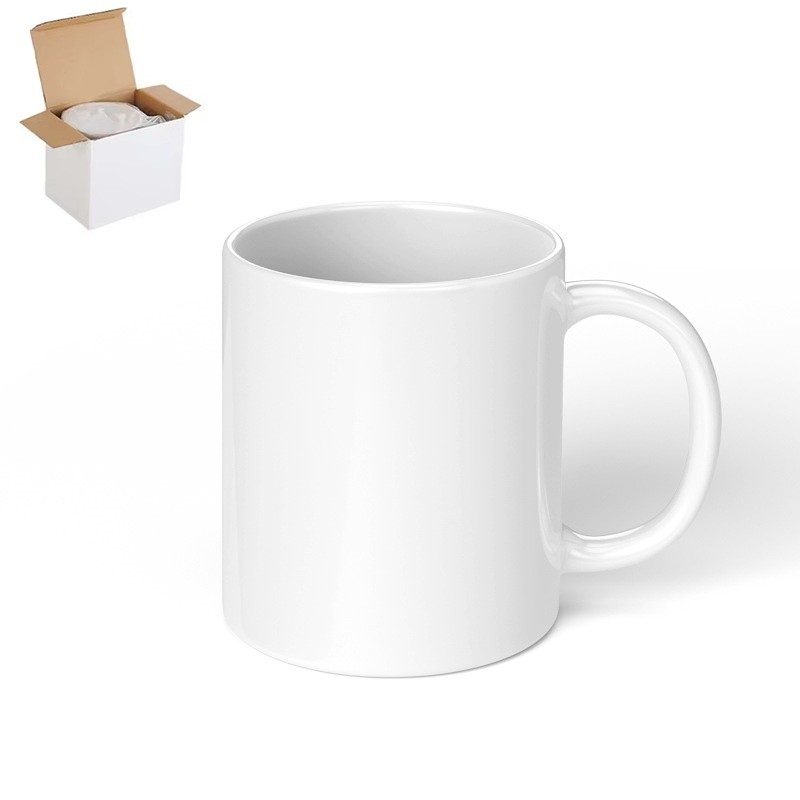
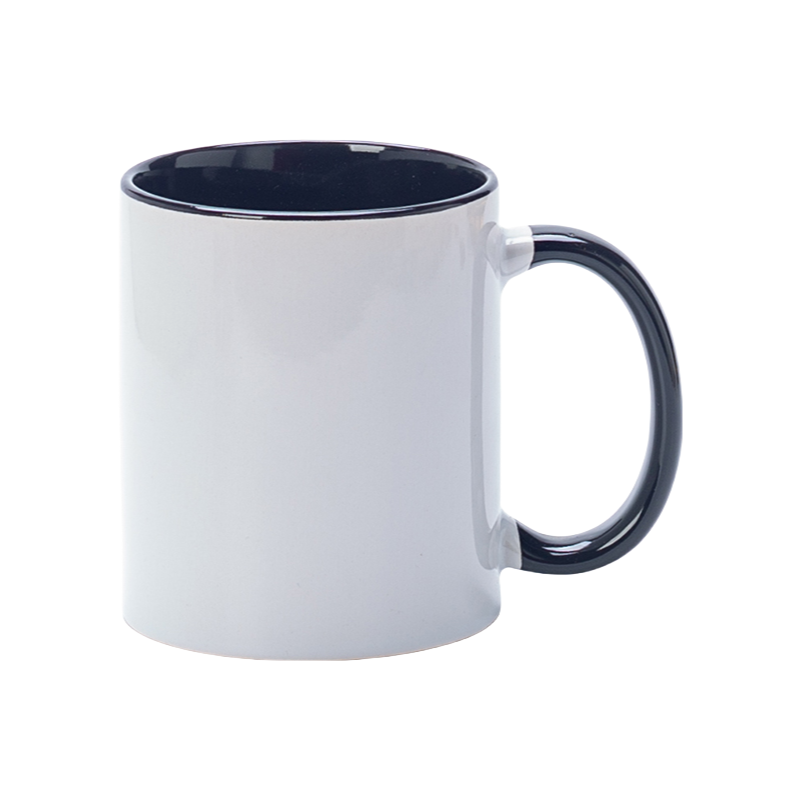
Need packaging that protects your mugs across the ocean? Storiware packs custom ceramic mugs with professional export packaging, including sleeves, fitted separators, box-in-box cushioning, corner protection, and palletized loading, with documented container loading counts and pre-shipment inspection support. The featured mugs below are a great starting point, and our team will share the packaging specification with your order.
Featured Ceramic Mugs from Storiware
Explore products featured in this guide:
Need a custom quote? Send an inquiry or browse our full product catalog.